


The N2O Sedation System, commonly known as a nitrous oxide sedation system or "laughing gas sedation," is widely used in dental clinics, outpatient treatments, and some minimally invasive medical procedures. By delivering a controlled mixture of oxygen (O₂) and nitrous oxide (N₂O), the system helps patients relax while remaining conscious. It can reduce anxiety, ease discomfort, and make medical procedures smoother for both patients and practitioners.
In recent years, this technology has become increasingly common in dental clinics, pediatric dentistry, and outpatient medical centers. However, like any medical device, the N₂O sedation system has both advantages and limitations. Below is a practical overview of its main benefits and potential drawbacks.
Advantages of an N2O Sedation System
1. Precise Gas Mixing and Predictable Sedation
Modern N2O sedation systems typically feature digital flow control technology, which allows precise adjustment of the oxygen and nitrous oxide mixture. In most cases, the mixture ratio is controlled within 30–70% N₂O/O₂, with an accuracy of around ±2%.
This level of precision allows clinicians to gradually adjust the sedation level according to the patient's age, anxiety level, and physical condition. As a result, the sedation effect becomes more predictable and easier to manage. Compared with oral sedatives, this method often provides more stable and controllable results.
2. Built-In Oxygen Safety Mechanism
Safety is one of the most critical aspects of any medical device. Most N₂O sedation systems are designed with an oxygen safety mechanism to prevent accidental hypoxia.
For example, if the oxygen concentration drops below 30%, the system will automatically stop the supply of nitrous oxide. This safety interlock ensures that the patient continues to receive sufficient oxygen during the procedure. Such mechanisms are typically designed to comply with ANSI and ADA safety standards.
In simple terms, this feature significantly reduces the risk of improper operation.
3. Real-Time Monitoring and User-Friendly Interface
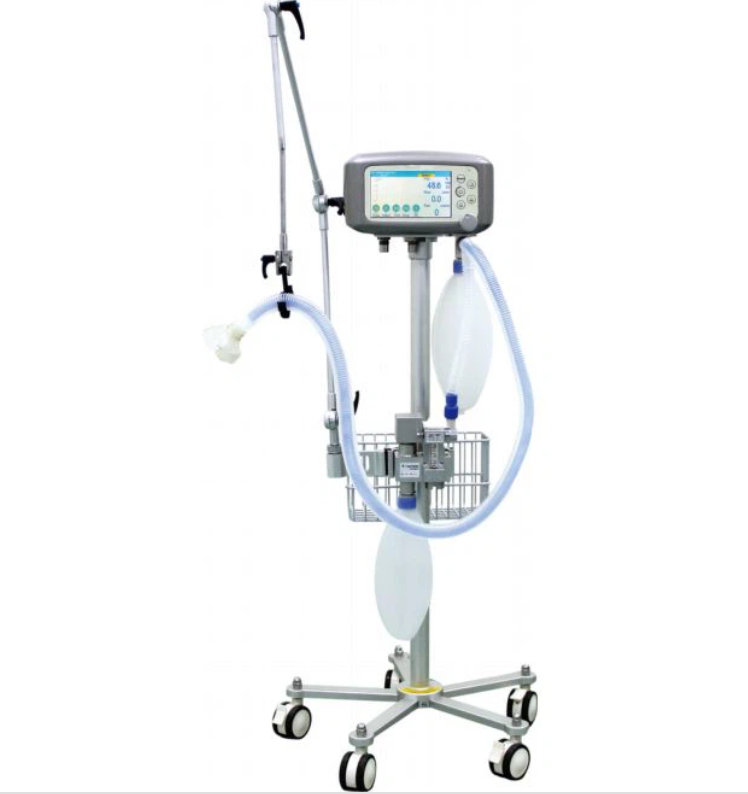
Many modern systems are equipped with a touchscreen interface, allowing clinicians to monitor key parameters in real time, such as:
Inspired oxygen concentration (FiO₂)
Inspired nitrous oxide concentration (FiN₂O)
Total exposure time
These monitoring functions help clinicians clearly understand the patient's sedation status during treatment and adjust the gas mixture when necessary. This improves both treatment control and overall safety.

4. Integrated Waste Gas Scavenging System
Nitrous oxide leakage into the clinical environment can pose long-term exposure risks for healthcare staff. To address this issue, many advanced systems include an integrated waste gas scavenging system.
This system can remove more than 95% of excess gas, helping maintain environmental N₂O levels below 25 ppm. For dental professionals and medical staff who work in these environments every day, this feature is particularly important because it helps reduce occupational exposure.
5. Fast Onset and Rapid Recovery
One of the most notable advantages of nitrous oxide sedation is that it works quickly and wears off quickly.
Typically:
Sedation can be achieved within 3–5 minutes
After the procedure, switching the patient to pure oxygen
The remaining nitrous oxide is cleared from the body within about 5 minutes
This rapid recovery allows patients to return to normal activities much sooner compared with other sedation methods.

6. Improved Patient Cooperation
Some systems also offer a patient-controlled sedation mode, often referred to as a demand valve system. In this mode, patients can control when they inhale the gas mixture.
This feature can be particularly helpful for anxious patients or children, as it gives them a sense of control over the process, which can significantly reduce stress and improve cooperation during treatment.
7. Portable and Flexible Design
Many N₂O sedation systems are designed to be portable, often weighing less than 30 pounds and equipped with wheels for easy mobility.
This allows the device to be used in multiple treatment rooms or medical environments, such as:
- Dental clinics
- Outpatient surgery rooms
- Pediatric treatment centers
- Diagnostic imaging environments
Some models even use non-ferromagnetic components, making them suitable for use in MRI environments.
Limitations of an N₂O Sedation System
Despite its advantages, nitrous oxide sedation is not suitable for every situation.
1. Limited Sedation Depth
Nitrous oxide provides mild to moderate sedation. While it is effective for anxiety control and minor discomfort, it may not be sufficient for procedures that require deep sedation or general anesthesia.
In more complex or highly painful procedures, additional anesthesia methods may still be necessary.
2. Not Suitable for Certain Patients
Some patients may not be good candidates for nitrous oxide sedation, including those with:
- Severe respiratory conditions
- Significant nasal congestion or obstruction
- Sensitivity to nitrous oxide
- Pregnancy, especially in early stages
In these cases, alternative sedation methods may be recommended.
3. Higher Equipment and Maintenance Costs
Compared with simple sedation approaches, an N₂O sedation system is a specialized medical device that requires:
- Gas supply infrastructure
- Safety monitoring systems
- Waste gas scavenging systems
- Regular maintenance and calibration
As a result, the initial investment and ongoing maintenance costs can be relatively high.
4. Professional Training Required
Although modern systems are becoming more intelligent and user-friendly, medical staff still need professional training to operate the equipment properly. This includes understanding gas ratio adjustments, monitoring patient responses, and handling unexpected situations.
Improper operation may affect sedation effectiveness or patient safety.
Conclusion
Overall, the N2O Sedation System is a safe, controllable, and fast-acting sedation solution widely used in dental care, pediatric medicine, and outpatient procedures.
With features such as precise gas mixing, built-in safety mechanisms, real-time monitoring, and effective waste gas management, the system provides a more comfortable and efficient treatment experience for both patients and healthcare professionals.
However, it also has limitations, including limited sedation depth, patient suitability considerations, and relatively high equipment costs. Therefore, clinicians must evaluate the specific treatment requirements and patient conditions before choosing this sedation method.
As medical technology continues to advance, the application of N2O sedation systems in outpatient healthcare settings is expected to expand further, offering safer and more convenient sedation options for patients worldwide.