


May 7, 2026 – Operating room cleanliness management is one of the core links of hospital infection control. In practical clinical scenarios, traditional surgical shadowless lamps and operating tables have structural defects such as exposed gaps, uneven surface and dead cleaning corners. Dust, blood stains and residual disinfectant are easy to accumulate, leading to bacterial growth. This common industry problem makes it difficult for medical staff to maintain long-term stable operating room cleanliness, increases the risk of postoperative infection, and brings great challenges to hospital grade sanitation assessment and daily sterile management.
Aiming at the pain points of difficult cleaning and poor bacteriostatic ability of traditional operating equipment, HFMED has completed the overall performance upgrade of core products this week. The optimized surgical equipment adopts integrated seamless molding technology and smooth hydrophobic and antibacterial coating. There are no internal dust accumulation gaps or cleaning dead corners. It can effectively resist the adhesion of dust and bacteria, and is convenient for daily wiping and disinfection. The new structural design greatly improves the environmental adaptability of the equipment in high-standard clean operating rooms.
"Equipment surface sanitation is easily ignored in daily sterile management, but it directly affects the level of operating room infection control," said the product R&D director of HFMED. "We focus on the subtle hidden dangers in clinical sterilization work. By upgrading structural technology and surface materials, we solve the long-standing problems of difficult cleaning and easy bacterial growth of traditional equipment. The upgraded products help medical institutions standardize sterile management, reduce postoperative infection risks, and meet higher clinical cleanliness construction standards."
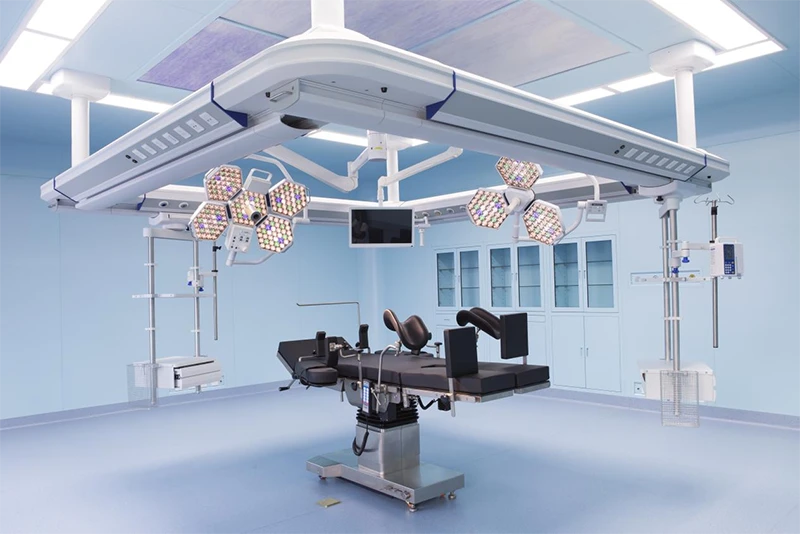
FAQ

Q1: Why do traditional operating room equipment easily cause substandard cleanliness?
A: Traditional operating room equipment has many structural defects, including exposed splicing gaps, uneven surfaces and hidden cleaning dead corners. Dust, blood residues and disinfectant remnants are prone to accumulate in these areas. Regular wiping cannot achieve thorough sterilization, which easily causes bacterial proliferation and leads to unstable operating room cleanliness.
Q2: How does the dust-proof and bacteriostatic upgrade assist hospital infection control?
A: The upgraded seamless and antibacterial design eliminates cleaning dead corners and reduces bacterial adhesion and dust accumulation. It simplifies daily disinfection procedures for medical staff, maintains stable sterile environment in the operating room, effectively reduces postoperative infection risks, and helps hospitals pass standardized sanitation and cleanliness assessments stably.
