


As medical technology continues to advance, many hospitals are upgrading their facilities with the Hybrid Operating Table - a new generation of operating room equipment that integrates imaging, surgery, and multidisciplinary collaboration in one place. But what exactly is a Hybrid Operating Table, and why is it becoming so popular among modern hospitals?
What Is a Hybrid Operating Table?
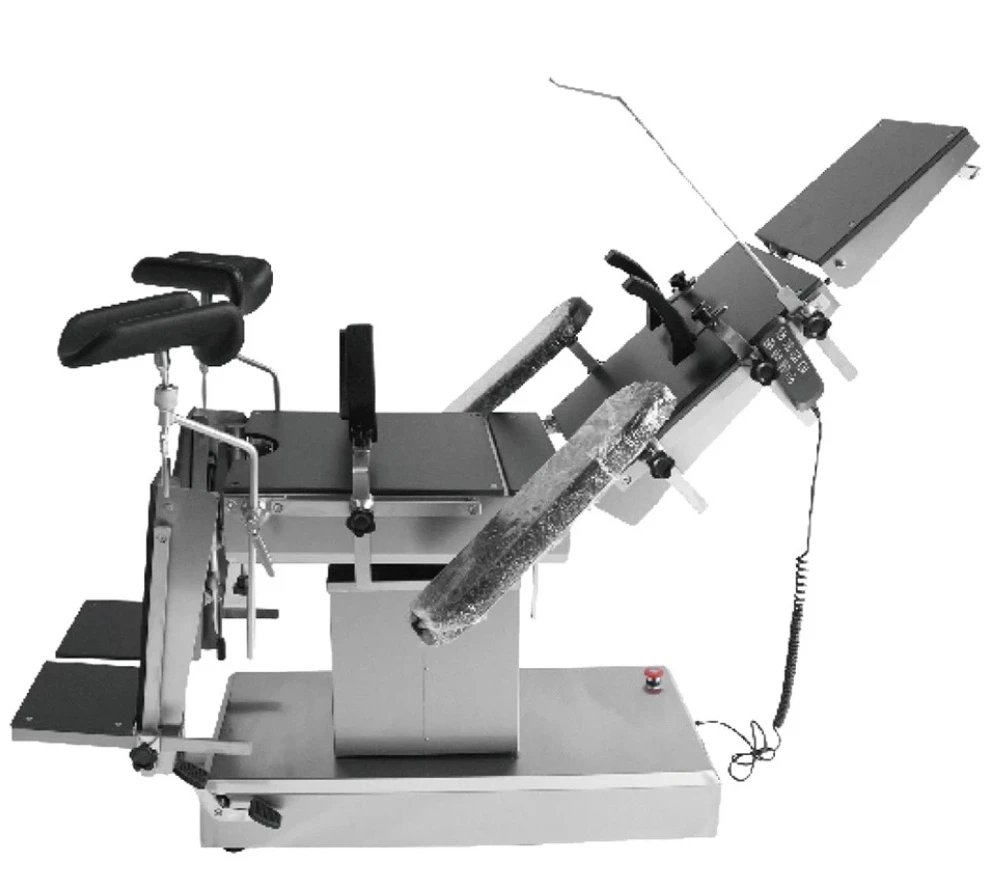
A Hybrid Operating Table is a highly versatile surgical platform designed for use in Hybrid Operating Rooms (Hybrid ORs). It seamlessly connects with advanced imaging systems such as C-arms, CT scanners, and MRI machines, allowing surgeons to perform diagnosis, interventional procedures, and surgery without moving the patient. This integration significantly enhances precision and safety during complex operations.
Key Advantages of Hybrid Operating Tables
- Enhanced Surgical Precision – Real-time imaging guidance helps surgeons accurately locate the lesion and minimize incision size, improving surgical outcomes.
- Improved Efficiency and Safety – Eliminates the need to transfer patients between different rooms, reducing infection risk and procedure time.
- Multidisciplinary Compatibility – Suitable for cardiovascular, neurosurgery, orthopedic, and interventional radiology procedures.
- Flexible Design and Customization – High-end Hybrid OR Tables support electric height adjustment, X-ray permeability, and advanced control systems.
- Supports Smart Hospital Development – Enables integration with digital OR management systems for synchronized data and remote monitoring.
Why Hospitals Are Moving Toward Hybrid OR Solutions
For hospitals, investing in a Hybrid Operating Table is not just a hardware upgrade-it's a step toward the future of intelligent, image-guided surgery. By improving precision and workflow efficiency, hospitals can treat more patients safely, reduce operation time, and strengthen their position in high-end medical care.
The Hybrid Operating Table is redefining modern surgery by combining imaging technology with surgical flexibility. As hospitals continue to pursue efficiency and precision, it has become an essential piece of equipment in the next generation of surgical environments.