


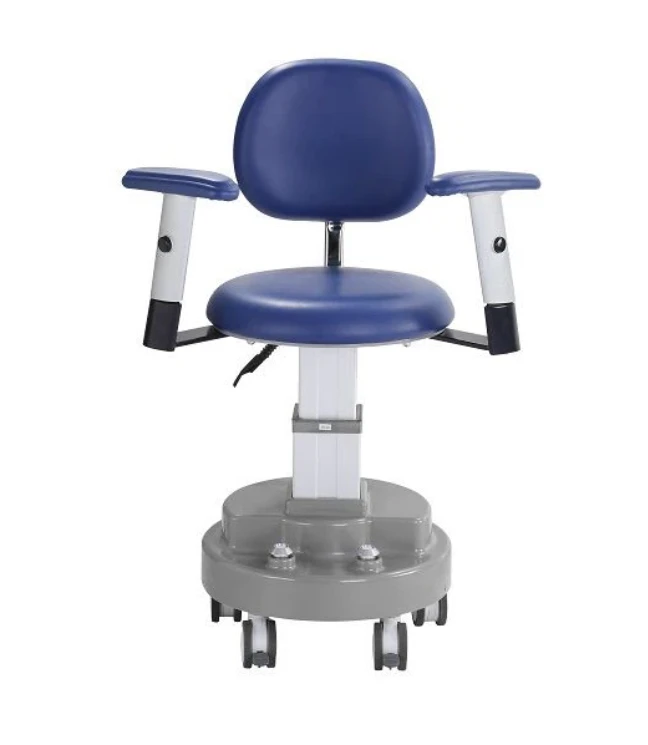
In every veterinary clinic or animal hospital, the Veterinary Surgical Chair plays a crucial role in ensuring efficient and safe surgical procedures. As one of the most frequently used pieces of Veterinary Surgery Equipment, the chair must remain in top condition to provide reliable performance during every operation. Regular maintenance not only improves hygiene and safety but also significantly extends the chair's lifespan, helping clinics reduce long-term replacement costs. Here are some practical maintenance tips to keep your Surgical Chair for Animal Surgery in optimal shape.
1. Clean Thoroughly After Every Procedure
Proper cleaning is the most basic yet most important step in maintaining your Veterinary Surgical Chair. After each surgery, use a mild disinfectant or alcohol-based cleaner to wipe down all surfaces, including the seat, backrest, and arm supports. Avoid harsh chemicals that may corrode stainless steel or wear out protective coatings.
For chairs with soft padding, ensure that all blood, fluids, and cleaning agents are completely removed to prevent bacterial buildup and unpleasant odors. Keeping the chair clean not only improves its appearance but also ensures a sterile surgical environment for both animals and staff.
2. Inspect Moving Parts Regularly
A Veterinary Surgical Chair is designed with adjustable components such as hydraulic lifts, swivel bases, and locking systems. These parts are crucial for smooth operation and positioning accuracy.
Perform a simple inspection every week - check for any signs of wear, oil leakage, or stiffness in movement. Apply a small amount of lubricant to joints or pedals if necessary. By maintaining these moving parts regularly, you can avoid unexpected malfunctions during surgeries, ensuring both safety and efficiency.

3. Protect Against Moisture and Corrosion
Since veterinary surgeries often involve disinfectants and water, preventing moisture-related corrosion is vital. Always dry the chair thoroughly after cleaning.
For stainless steel surfaces, consider applying a light protective oil film to resist rust and maintain shine. If your clinic is in a humid area, using a dehumidifier or proper ventilation system can further help protect your Veterinary Surgery Equipment from long-term corrosion damage.
4. Tighten and Check Fixing Systems
A Surgical Chair for Animal Surgery must stay stable during procedures to ensure patient safety. Over time, screws, bolts, and clamps may loosen due to frequent movement or weight pressure.
Every month, take a few minutes to check all connections and fasteners. Tighten any that feel loose. This small maintenance routine can greatly reduce the risk of shaking or instability during critical operations.
5. Store and Handle Properly
When the chair is not in use, avoid stacking heavy equipment on top of it. If your clinic stores multiple chairs, ensure they are kept in a clean, dry area away from direct sunlight and humidity.
When moving the chair, use proper handling techniques-don't drag it across the floor or lift it by fragile components. Proper handling extends the life of both the chair's surface and mechanical parts.
Your Veterinary Surgical Chair is more than just a piece of furniture-it's a vital part of your surgical workflow. With regular cleaning, careful inspection, and proper handling, you can extend its service life and maintain consistent performance.
High-quality Veterinary Surgery Equipment is designed for durability, but even the best materials need routine care to stay at their best. By following these simple maintenance tips, you'll not only protect your investment but also ensure safer, more efficient operations for your veterinary team and animal patients.