


Examination lamps are essential for precise medical, dental, or cosmetic procedures. Proper use ensures optimal lighting and safety. Here's how to use an examination lamp effectively:
Mount the examination lamp
Mounting Positioning:
Place the examination lamp 30-60 cm (12-24 inches) from the exam area for even illumination.
For wall-mounted or ceiling-mounted examination lamps, adjust the arm to direct the light where you want it.
For portable examination lamps, attach them to a stable stand or clamp.
Adjust the light angle:
Tilt the examination lamp at a 30°-45° angle to minimize glare and shadows.
Avoid direct light into the patient's eyes.
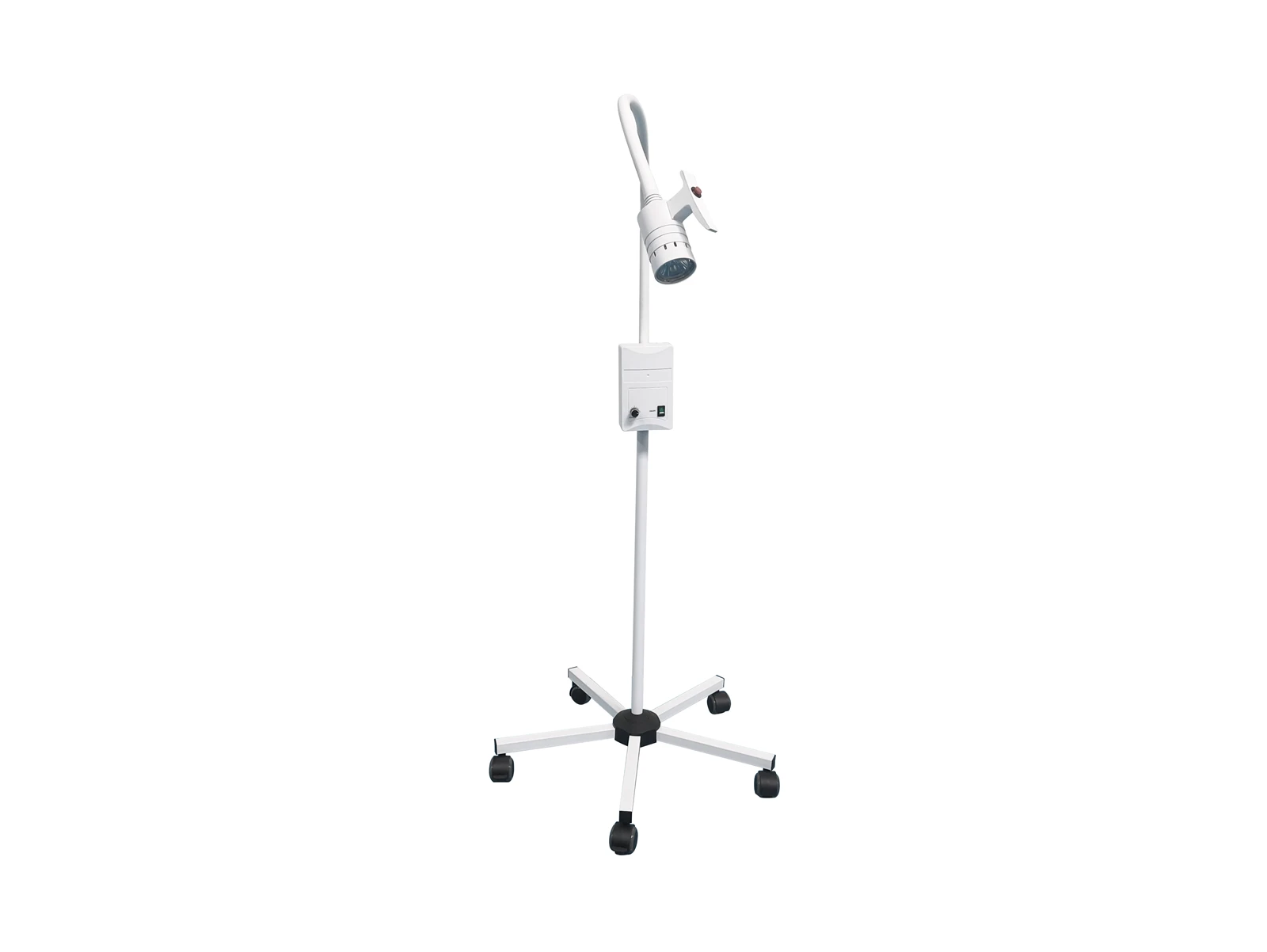

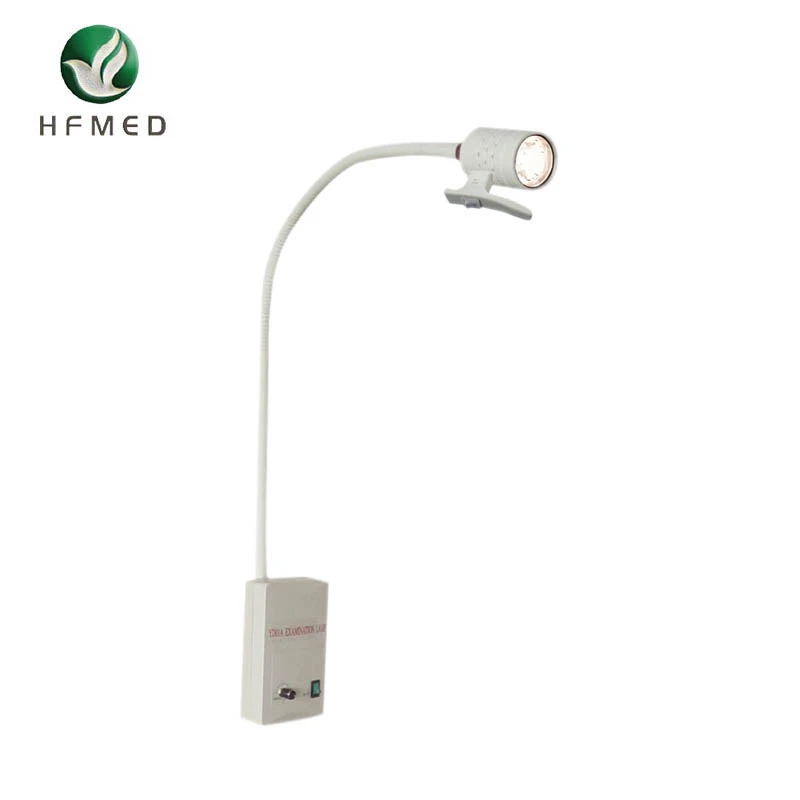
Adjust Brightness and Focus
LED lights: Use a dimmer switch to control brightness.
Halogen lights: Make sure the bulb is at optimal brightness, and replace it if it's low.


Focus the beam: For small areas (e.g., teeth, wounds), narrow the beam. For larger areas (e.g., skin exams), widen the beam.
3. Reduce shadows
Use multiple lights from different angles whenever possible.
For dental/surgical lights, center the ring light over the target area.
4. Disinfection and maintenance
Wipe handles and surfaces with disinfectant wipes.
Lamp care: Replace burned-out bulbs promptly.
Avoid touching halogen bulbs with bare hands (oil shortens bulb life).
Check cords and light arms: Ensure smooth movement and no electrical hazards.
5. Special uses
Medical exams: Illuminate throat, ear, or skin lesions.
Dental procedures: Focus light inside the patient's mouth.

Surgical/veterinary: Combine with overhead surgical lights if needed.
Safety Tips
✔ Avoid overheating – do not place lamps in hot environments near flammable materials.
✔ Secure loose cords to prevent tripping.
✔ Wear gloves when handling lamps to prevent contamination.
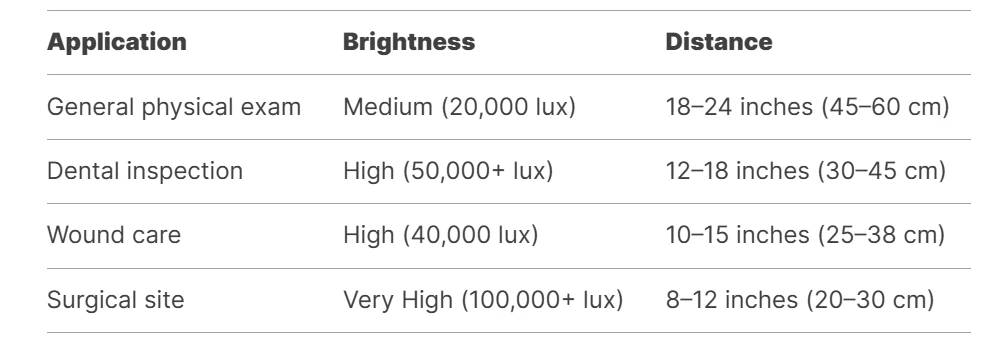
Recommended settings for common procedures
Need help choosing the right bulb for your clinic? Let me know what you need!