


Introduction
Portable medical ventilators are life-saving devices designed to assist or replace spontaneous breathing in patients with respiratory failure. These compact and lightweight machines are essential in emergency medicine, intensive care, and home healthcare settings. Whether for chronic respiratory conditions, post-surgery recovery, or emergency situations, portable ventilators provide critical support when natural breathing is compromised.
In this guide, we'll explore how portable ventilators work, their key features, benefits, and important considerations when choosing one.
How Does a Portable Medical Ventilator Work?
A portable medical ventilator delivers oxygen to the lungs and removes carbon dioxide through mechanical ventilation. It operates in different modes depending on the patient's needs:
- Assist-Control Ventilation (ACV): The ventilator delivers breaths at a set rate, but the patient can also trigger additional breaths.
- Synchronized Intermittent Mandatory Ventilation (SIMV): The machine provides a baseline number of breaths, allowing the patient to breathe spontaneously between them.
- Pressure Support Ventilation (PSV): Assists the patient's spontaneous breaths with added pressure to reduce breathing effort.
- Continuous Positive Airway Pressure (CPAP): Maintains constant air pressure to keep airways open, often used for sleep apnea.
Portable ventilators are battery-operated, making them ideal for transport and field use.
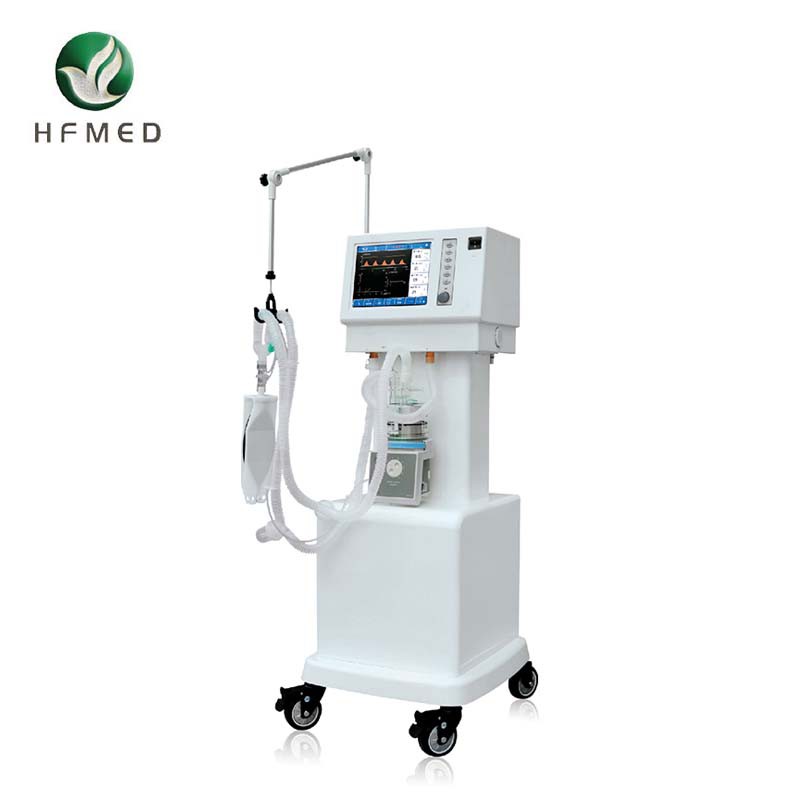
Key Features of a Portable Medical Ventilator
When selecting a portable medical ventilator, consider the following features:
- Lightweight & Compact Design – Easy to carry for emergency responders and home care.
- Multiple Ventilation Modes – Flexibility to adapt to different patient needs.
- Battery Life & Power Options – Long-lasting battery for uninterrupted use.
- Oxygen Compatibility – Adjustable FiO₂ (fraction of inspired oxygen) settings.
- Alarms & Safety Features – Alerts for low battery, disconnection, or pressure issues.
- User-Friendly Interface – Intuitive controls for quick adjustments.
Benefits of Portable Medcial Ventilators
- Mobility: Ideal for ambulances, air transport, and disaster response.
- Versatility: Suitable for adults, pediatrics, and neonates (depending on the model).
- Improved Patient Outcomes: Ensures continuous respiratory support in critical situations.
- Home Care Support: Enables long-term ventilation for patients with chronic conditions.
Choosing the Right Portable Medical Ventilator
When purchasing or using a portable ventilator, consider:
- Patient Needs (e.g., volume or pressure control requirements).
- Durability & Reliability (especially for pre-hospital settings).
- Regulatory Compliance (FDA, CE, or other certifications).
- Cost & Maintenance (replacement parts, servicing).
Conclusion
Portable medical ventilators are indispensable tools in modern medicine, offering life-saving respiratory support in various settings. Whether for emergency responders, hospitals, or home care, choosing the right device ensures optimal patient care.
If you're considering a portable ventilator, consult a medical professional to determine the best model for your specific needs.
Would you like recommendations on specific brands or models? Contact us at HFMED!