


As a core piece of equipment used continuously in operating rooms year-round, the stable operation of OT Ceiling Lights (operating room ceiling-mounted shadowless lamps) is directly related to the smooth conduct of every surgery. However, in actual hospital operations, many medical institutions encounter various equipment problems: significant brightness decay after a period of use, uneven light spots, flickering and overheating, robotic arm positioning malfunctions, and button/touch control failures. Many people assume it's a quality issue, but in reality, most problems stem from improper daily use, inadequate cleaning and maintenance, improper installation and debugging, and incorrect selection and matching. Understanding the common causes of OT Ceiling Light malfunctions, avoiding usage pitfalls, and performing proper daily maintenance can significantly reduce the failure rate and extend the equipment's lifespan.
First, let's discuss some of the most common clinical malfunctions. The first type is a decrease in light source brightness and rapid light decay. The lighting is sufficient when first installed, but becomes noticeably dimmer after six months to a year of use, making it difficult to see details in the surgical field. This is mostly due to the use of inferior LED beads and driver power supplies, unstable power supply, poor heat dissipation design, and long-term high temperatures accelerating light source aging; some cases are also caused by unstable voltage in the operating room, resulting in excessive wear and tear on the driver module.

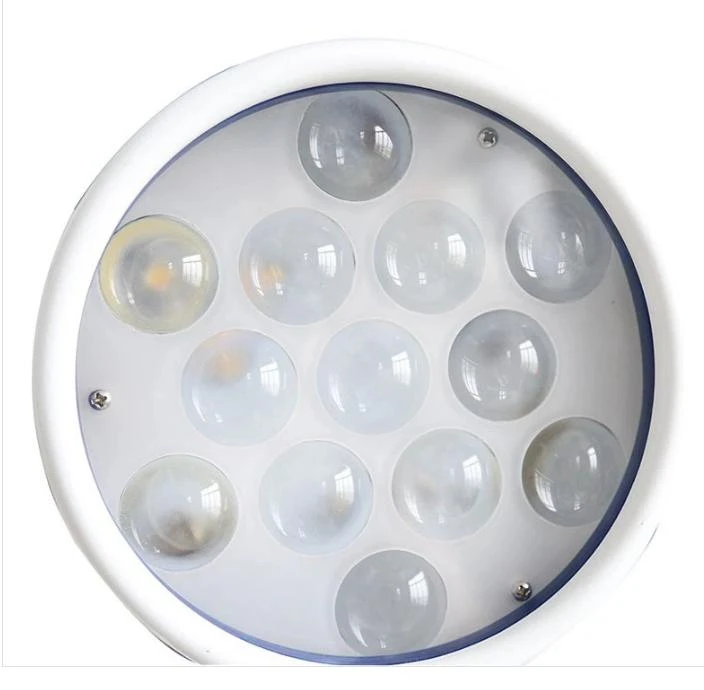
The second type of fault is uneven light distribution and color cast in shadows. A properly functioning OT Ceiling Light should have sufficient central illumination, smooth edge transitions, and no dark areas or stray shadows. If localized blackening, severe edge blurring, or a yellowish/cool tone appears, it's due to either improper LED arrangement or poor optical lens quality, or infrequent daily cleaning leading to dust accumulation and residual disinfectant film on the lampshade, obstructing light output.
The third type is mechanical structural faults, including cantilever jamming, positioning and hovering failure, abnormal rotation noises, and loose joints. These problems mostly stem from two causes: first, inadequate horizontal alignment during installation and uneven ceiling load distribution; second, rough handling, such as frequent forceful bending of the lamp arm or prolonged fixation at extreme angles, leading to wear on internal damping components and loose gears.
In addition, there are issues such as overheating and system crashes, touch panel malfunctions, and short circuits due to aging wiring. Many of these are caused by the humid sterilization environment of operating rooms, improper wiring layout, and a lack of regular wiring maintenance.
Several common misconceptions exist in daily use of OT Ceiling Lights in many hospitals. First, they only use them without maintenance, believing that OT Ceiling Lights are durable devices and never regularly cleaning the lamp cover or checking the joint tightness. Second, they use incorrect cleaning methods, such as spraying the lamp body directly with strong corrosive disinfectants, which corrodes the outer coating and sealing structure, accelerating aging. Third, they leave the light source on for extended periods at full load, failing to turn it off promptly during non-operative periods, needlessly accelerating the light decay of the lamp beads. Fourth, they allow non-professionals to disassemble and adjust the lights at will, altering the internal wiring and damping structure, leaving potential safety hazards.

To improve the performance and stability of OT Ceiling Lights, proper daily maintenance and optimization are crucial. Daily cleaning should involve gently wiping the lamp cover and body with a medical-grade neutral disinfectant, avoiding liquid seepage into crevices. Regularly, professionals should check the tightness of mechanical joints and adjust damping tension. Lights should be switched off during non-surgical periods to reduce prolonged idle illumination. A comprehensive inspection of the wiring, driver power supply, and LED chip condition should be performed annually to proactively identify potential problems.
Furthermore, when upgrading or replacing older OT Ceiling Lights, operating rooms should avoid cheap, generic brands and prioritize professional medical-grade products with mature optical designs, reasonable heat dissipation structures, and compliant manufacturing processes to reduce the probability of future malfunctions.

In short, the durability and user experience of OT Ceiling Lights depend half on the quality of the equipment itself and half on standardized use and professional maintenance. Understanding common causes of malfunctions, avoiding common usage mistakes, and establishing a routine maintenance mechanism can ensure stable and safe lighting in the operating room, significantly reduce future repair and replacement costs, and keep the equipment in optimal clinical working condition for the long term.