

Hey there! As a supplier of LED operating lights, I often get asked about the lifespan of these essential medical devices. It's a crucial question, especially for hospitals, clinics, and surgical centers looking to make smart investments. So, let's dive into what determines the lifespan of an LED operating light and how you can get the most out of it.
Understanding LED Technology
First off, let's talk a bit about LED technology. LEDs, or light - emitting diodes, are semiconductor devices that convert electrical energy into light. Unlike traditional incandescent or fluorescent bulbs, LEDs don't have a filament that can burn out or gas that can degrade over time. This fundamental difference is what gives LEDs their long - lasting reputation.
LEDs are known for their energy efficiency, durability, and low heat emission. In an operating light, these features are incredibly important. Energy efficiency means lower electricity bills for healthcare facilities, while low heat emission reduces the risk of overheating in the surgical area, which can be a concern during long procedures.
Factors Affecting the Lifespan of LED Operating Lights
Quality of Components
The quality of the components used in an LED operating light plays a huge role in its lifespan. High - quality LEDs, drivers, and heat sinks are essential. Cheaper components may save money upfront but are likely to fail sooner. For example, a low - quality LED might start to dim or flicker after just a few thousand hours of use, while a high - end LED can last much longer.
At our company, we only use top - notch components in our LED Operating Light. We source our LEDs from reputable manufacturers known for their reliability and performance. Our drivers are designed to provide a stable power supply to the LEDs, preventing premature failure due to voltage fluctuations.
Operating Conditions
The environment in which the LED operating light is used also affects its lifespan. Extreme temperatures, high humidity, and dusty conditions can all take a toll on the light. Surgical lights are often used in sterile environments, but they still need to be protected from excessive moisture and dust.
In addition, the number of times the light is turned on and off can impact its lifespan. Frequent cycling can cause stress on the LEDs and other components. That's why it's important to use the light in a way that minimizes unnecessary on - off cycles.
Maintenance
Proper maintenance is key to extending the lifespan of an LED operating light. Regular cleaning of the light's surface and lenses can prevent the buildup of dirt and debris, which can reduce the light's output. It's also important to check the light's electrical connections periodically to ensure they are secure.
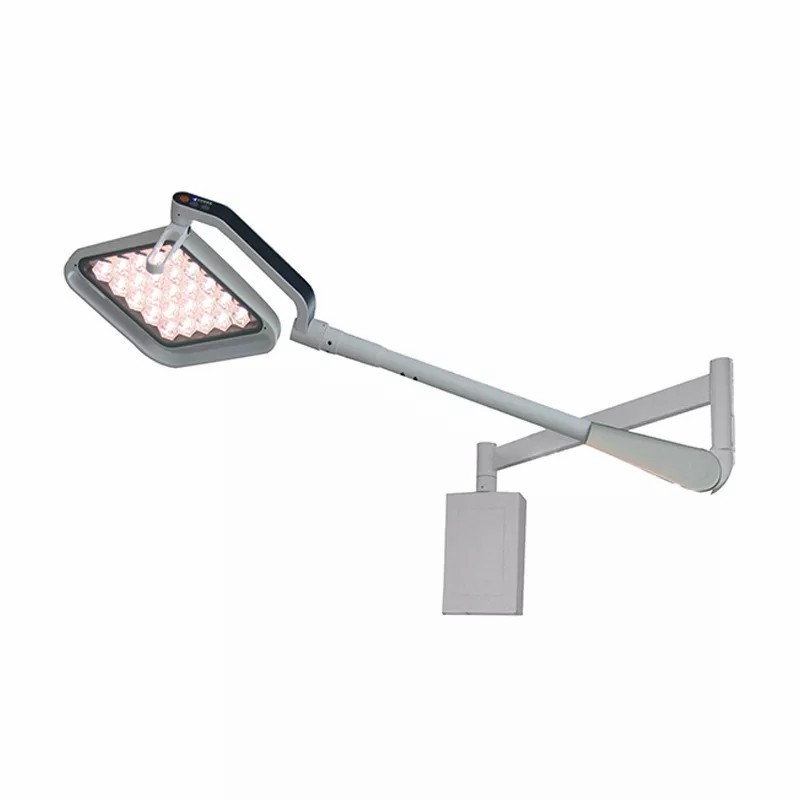
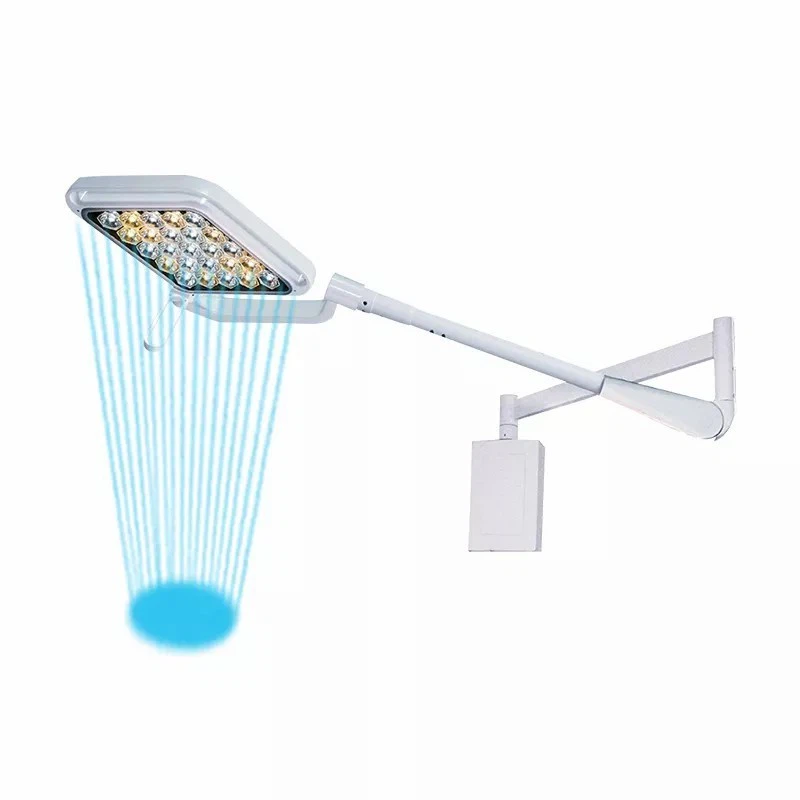
We provide detailed maintenance instructions with all of our products. Our Wall Mounted Surgical Light and Operating Room Overhead Lights are designed to be easy to maintain, with accessible components that can be cleaned and replaced if necessary.
Typical Lifespan of LED Operating Lights
On average, a high - quality LED operating light can last anywhere from 50,000 to 100,000 hours. That's equivalent to about 5.7 to 11.4 years of continuous use (assuming 24 - hour operation). However, in a real - world surgical setting, the light is not used continuously. Most operating rooms use the lights for a few hours a day, so the actual lifespan can be much longer.
For example, if an operating light is used for 8 hours a day, 5 days a week, it could last for 25 to 50 years. Of course, this is a rough estimate, and the actual lifespan will depend on the factors we discussed earlier.
Comparing LED Operating Lights to Other Types of Surgical Lights
In the past, halogen and xenon lights were commonly used in operating rooms. These lights have a much shorter lifespan compared to LED lights. Halogen lights typically last around 2,000 to 4,000 hours, while xenon lights can last up to 10,000 hours.
The shorter lifespan of halogen and xenon lights means more frequent bulb replacements, which can be costly and time - consuming. In addition, these lights produce a lot of heat, which can be uncomfortable for the surgical team and may require additional cooling systems in the operating room.
LED operating lights, on the other hand, offer a much longer lifespan, lower energy consumption, and less heat generation. They are also more environmentally friendly, as they don't contain hazardous materials like mercury, which is found in some fluorescent lights.
Maximizing the Lifespan of Your LED Operating Light
Here are some tips to help you get the most out of your LED operating light:
- Choose the Right Light: Select a high - quality LED operating light from a reputable supplier. Look for lights that have been tested and certified to meet industry standards.
- Follow Maintenance Guidelines: Regularly clean the light and check its components as recommended by the manufacturer.
- Control the Operating Environment: Keep the operating room at a stable temperature and humidity level, and protect the light from dust and moisture.
- Minimize On - Off Cycles: Only turn the light on when it's needed, and avoid unnecessary cycling.
Why Choose Our LED Operating Lights
As a supplier, we take pride in offering high - quality LED operating lights that are built to last. Our lights are designed with the latest technology and the highest - quality components, ensuring long - term performance and reliability.
We offer a wide range of LED Operating Light options, including Wall Mounted Surgical Light and Operating Room Overhead Lights. Our products are backed by excellent customer service and technical support, so you can be confident in your purchase.
If you're in the market for an LED operating light, we'd love to talk to you. Whether you're a small clinic or a large hospital, we can help you find the right light for your needs. Contact us to discuss your requirements and get a quote. We're here to make your surgical lighting experience as seamless and cost - effective as possible.
References
- "LED Lighting Handbook" by some well - known author in the lighting industry.
- Industry reports on surgical lighting technology and trends.
- Technical specifications from LED manufacturers.