

In the rapidly evolving landscape of modern healthcare, the role of smart hospital theatre lights has become increasingly pivotal. As a trusted supplier of Hospital Theatre Lights, I've witnessed firsthand how these advanced lighting systems are revolutionizing surgical environments. In this blog, we'll delve into the software features that make smart hospital theatre lights an indispensable asset in the operating room.
1. Precise Lighting Control
One of the most significant software features of smart hospital theatre lights is the ability to provide precise lighting control. Surgeons require optimal illumination to perform delicate procedures with accuracy. With advanced software, these lights can be adjusted in terms of intensity, color temperature, and beam focus.
The intensity control allows surgeons to increase or decrease the brightness of the light according to the specific requirements of the surgery. For example, during a minimally invasive procedure, a lower intensity might be sufficient, while a complex open - heart surgery may demand higher brightness. The software enables seamless adjustment, ensuring that the surgical field is always well - lit.
Color temperature adjustment is equally important. Different surgical tasks may require different color temperatures. A warmer color temperature can be more suitable for soft tissue surgeries, as it provides a more natural and comfortable viewing environment. On the other hand, a cooler color temperature might be preferred for procedures involving bones or metallic implants, as it enhances contrast. The software allows surgeons to fine - tune the color temperature to meet their specific needs.
Beam focus is another crucial aspect. The software can control the shape and size of the light beam, allowing it to be concentrated precisely on the surgical site. This reduces shadows and provides a clear view of the area being operated on. For instance, in neurosurgery, where precision is of the utmost importance, a highly focused beam can help surgeons visualize the delicate neural structures with greater clarity.
2. Integration with Surgical Equipment
Smart hospital theatre lights are designed to integrate seamlessly with other surgical equipment. Through software interfaces, these lights can communicate with imaging systems, surgical robots, and patient monitoring devices.
When integrated with imaging systems such as endoscopes or fluoroscopes, the theatre lights can adjust their settings based on the imaging requirements. For example, if the endoscope is being used to visualize a specific area, the lights can automatically adjust their intensity and focus to enhance the visibility of the images on the monitor. This integration improves the overall efficiency of the surgical procedure and reduces the need for manual adjustments.
In the case of surgical robots, the lights can work in tandem with the robotic arms. As the robot moves during the surgery, the lights can follow its movement and ensure that the surgical field remains well - illuminated at all times. This synchronization between the lights and the robotic system enhances the accuracy and safety of robotic - assisted surgeries.
Patient monitoring devices also benefit from the integration with theatre lights. The software can receive data from the monitoring devices, such as the patient's vital signs, and adjust the lighting accordingly. For example, if the patient's blood pressure drops, the lights can be dimmed slightly to create a more calming environment.
3. Customizable Presets
Another valuable software feature is the ability to create and save customizable presets. Surgeons can set up different lighting configurations for various types of surgeries or specific steps within a surgery. These presets can include the desired intensity, color temperature, and beam focus.
For example, a surgeon may create a preset for a cataract surgery, which has specific lighting requirements for the different stages of the procedure, such as the initial incision, lens removal, and implantation. Once the preset is created, it can be easily recalled with a single click, saving time and ensuring consistency in lighting settings.
Customizable presets are also useful for different surgical teams. Each team may have its own preferences for lighting, and they can create and save their presets. This flexibility allows for a more personalized surgical experience and improves the overall efficiency of the operating room.
4. Remote Control and Monitoring
Smart hospital theatre lights can be controlled and monitored remotely through software applications. This feature is particularly useful for surgical supervisors or administrators who need to oversee multiple operating rooms.
With a remote control application, supervisors can adjust the lighting settings in different operating rooms without having to be physically present. This can be helpful in situations where a surgeon requests a change in lighting during a surgery, and the supervisor can quickly make the adjustment.
Remote monitoring also allows for proactive maintenance. The software can collect data on the performance of the lights, such as the number of hours of operation, bulb status, and energy consumption. Supervisors can use this data to schedule maintenance tasks, replace bulbs before they fail, and optimize energy usage.

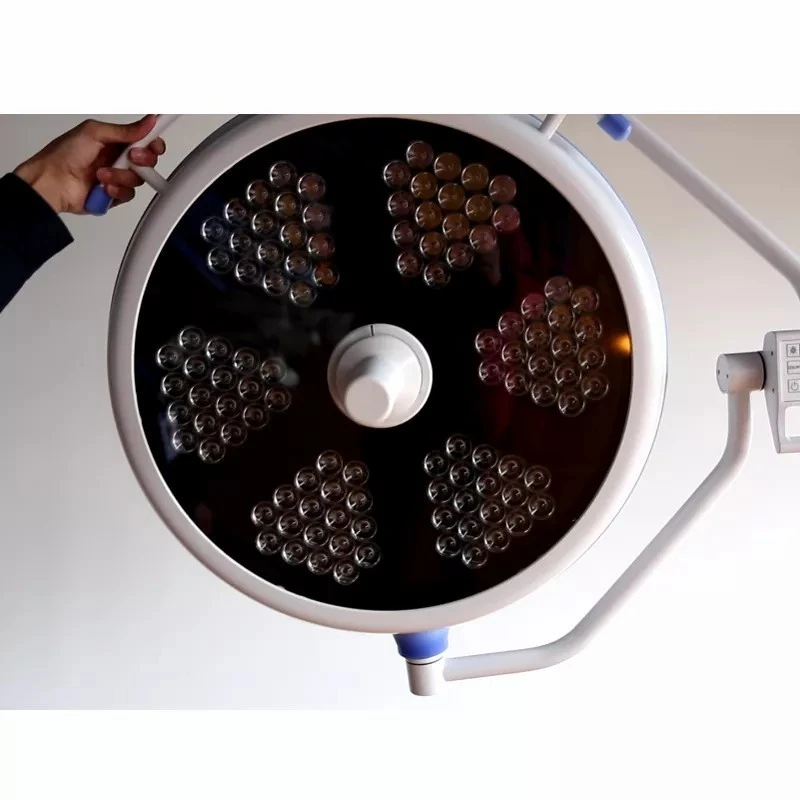
5. Safety Features
The software in smart hospital theatre lights is equipped with several safety features to ensure the well - being of patients and surgical staff. One of the key safety features is the fail - safe mechanism. In the event of a power outage or a technical malfunction, the lights can switch to a backup power source or a pre - set emergency lighting mode. This ensures that the surgical procedure can continue without interruption and that the surgical field remains illuminated.
Another safety feature is the over - temperature protection. The software continuously monitors the temperature of the lights and shuts them down if the temperature exceeds a safe limit. This prevents damage to the lights and reduces the risk of fire or other safety hazards.
The software also includes security measures to protect against unauthorized access. Only authorized personnel can access the control software, and the communication between the lights and the control system is encrypted to prevent data breaches.
6. Compatibility with Different Operating Room Environments
Smart hospital theatre lights are designed to be compatible with different operating room environments. The software can adapt to the specific requirements of different types of surgeries and the layout of the operating room.
For example, in a hybrid operating room, which combines traditional surgical equipment with advanced imaging and interventional technologies, the lights can integrate with all the different systems. The software can adjust the lighting settings based on the type of procedure being performed, whether it's a cardiac intervention or a minimally invasive surgery.
In addition, the lights can be installed in different types of operating rooms, including mobile operating rooms. The software can be configured to work with the power supply and communication systems of the mobile unit, ensuring that the same level of functionality and performance is available in all operating room settings.
Conclusion
The software features of smart hospital theatre lights play a crucial role in enhancing the efficiency, safety, and precision of surgical procedures. As a supplier of [Hospital Theatre Lights], we are committed to providing high - quality lighting systems with advanced software capabilities. Our Surgical Floor Lamp, Led Operation Theatre Lights With TV, and Shadowless Light For Surgery are designed to meet the diverse needs of modern operating rooms.
If you are interested in learning more about our smart hospital theatre lights or are looking to upgrade your operating room lighting system, we invite you to contact us for a detailed discussion. Our team of experts will be happy to assist you in finding the right lighting solution for your specific requirements.
References
- [1] "Advanced Lighting Technologies in the Operating Room", Journal of Surgical Innovation
- [2] "The Role of Smart Lighting in Modern Healthcare", International Journal of Healthcare Technology and Management
- [3] "Software - Enabled Lighting Solutions for Surgical Environments", Proceedings of the Annual Conference on Medical Equipment and Technology