

Hey there, folks! As a supplier of LED Operating Lights, I often get asked about the specific maintenance procedures for these nifty pieces of equipment. So, I thought I'd take a moment to break it down for you and share some insights on keeping your LED Operating Light in tip-top shape.
First off, let's talk about why maintenance is so important. LED Operating Lights are crucial tools in the medical field. They provide the necessary illumination during surgeries, ensuring that surgeons can see clearly and perform their procedures with precision. If these lights aren't properly maintained, it can lead to issues like reduced brightness, uneven lighting, or even complete failure, which can be a real headache in a high-stakes surgical environment.
Regular Cleaning
One of the most basic yet essential maintenance procedures for LED Operating Lights is regular cleaning. Over time, dust, dirt, and other debris can accumulate on the light fixtures, lenses, and reflectors. This buildup can block the light output and reduce the overall efficiency of the lights.
To clean the lights, start by turning them off and unplugging them from the power source to avoid any electrical hazards. Use a soft, lint-free cloth dampened with a mild cleaning solution. Avoid using abrasive cleaners or rough materials that could scratch the surfaces. Gently wipe down the outer casing, lenses, and reflectors to remove any dirt or smudges.
For hard-to-reach areas or stubborn dirt, you can use a soft-bristled brush to carefully dislodge the debris. Just be sure not to apply too much pressure, as you don't want to damage any delicate components.
Inspecting the Electrical Connections
Another important aspect of maintenance is inspecting the electrical connections of the LED Operating Lights. Loose or damaged connections can cause flickering lights, power failures, or even electrical shorts, which can be extremely dangerous.
Periodically check the power cords, plugs, and sockets for any signs of wear, fraying, or damage. If you notice any issues, replace the damaged parts immediately. Make sure the connections are tight and secure to prevent any interruptions in the power supply.
It's also a good idea to test the lights regularly to ensure they're functioning properly. Turn them on and off a few times and check for any abnormal behavior, such as flickering or dimming. If you notice any problems, have a qualified technician inspect the lights as soon as possible.
Checking the Cooling System
LED Operating Lights generate heat during operation, and a proper cooling system is essential to prevent overheating and extend the lifespan of the LEDs. Most LED Operating Lights are equipped with built-in fans or heat sinks to dissipate the heat.
Regularly check the cooling system to make sure it's working effectively. Remove any dust or debris that may have accumulated on the fans or heat sinks, as this can block the airflow and reduce the cooling efficiency. You can use a can of compressed air to blow out the dust from the hard-to-reach areas.
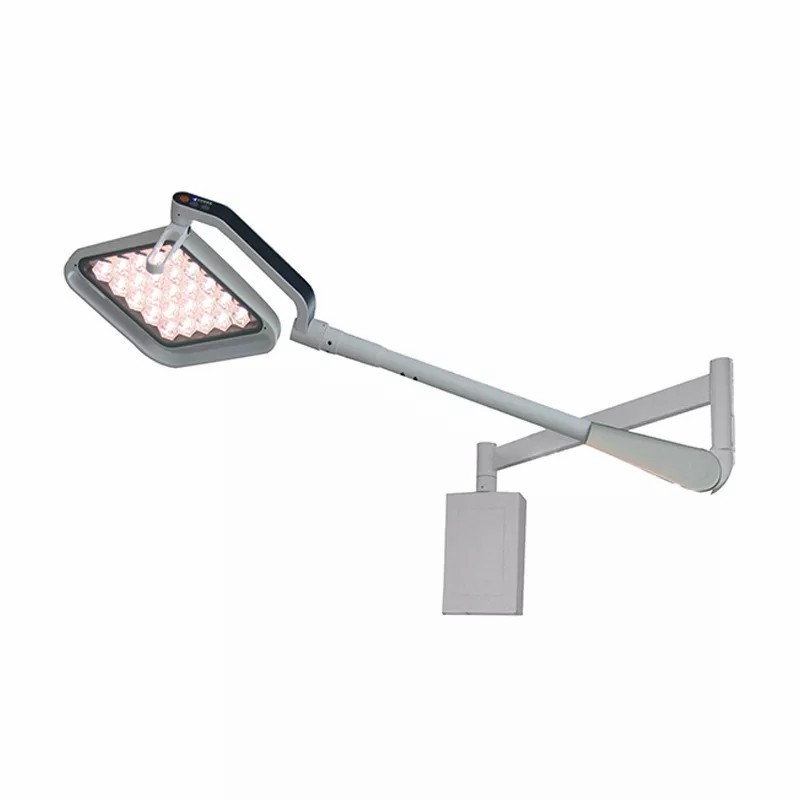

If you notice that the fans are making unusual noises or not spinning properly, it could be a sign of a problem. In this case, have a professional technician inspect and repair the cooling system to prevent any damage to the LEDs.
Calibrating the Lights
Over time, the color temperature and brightness of LED Operating Lights can drift, which can affect the accuracy of the surgical visualization. To ensure consistent and accurate lighting, it's important to calibrate the lights periodically.
Calibration involves adjusting the settings of the lights to match a standard reference. Most modern LED Operating Lights come with built-in calibration features that make the process relatively easy. However, if you're not familiar with the calibration procedure, it's best to consult the manufacturer's instructions or have a qualified technician perform the calibration for you.
Replacing the LEDs
Although LEDs have a long lifespan compared to traditional light sources, they will eventually need to be replaced. The lifespan of LEDs can vary depending on factors such as usage, operating conditions, and quality.
Keep an eye on the performance of the LEDs and look for signs of degradation, such as reduced brightness or color changes. When it's time to replace the LEDs, make sure to use high-quality replacement parts that are compatible with your Medical Illumination Surgical Lights.
Replacing the LEDs can be a complex task, especially if you're not familiar with the internal components of the lights. It's recommended to have a professional technician perform the replacement to ensure proper installation and avoid any damage to the lights.
Storing the Lights Properly
If you need to store the LED Operating Lights for an extended period, it's important to do so properly to prevent damage. Before storing the lights, make sure they're clean and dry. Remove any batteries or power cords and store them separately.
Store the lights in a cool, dry place away from direct sunlight and moisture. Avoid storing them in areas where they may be exposed to extreme temperatures or humidity, as this can damage the components.
If you're using a Mobile Surgical Light, make sure to secure it properly to prevent it from tipping over or getting damaged during storage.
Contact Us for Your LED Operating Light Needs
Well, there you have it – a comprehensive overview of the specific maintenance procedures for LED Operating Lights. By following these tips, you can ensure that your lights are always in good working condition and provide reliable illumination during surgeries.
If you're in the market for a new LED Operating Light or need any maintenance or repair services, don't hesitate to reach out to us. We're a leading supplier of high-quality LED Operating Lights and have a team of experienced technicians who can provide you with the support you need.
Contact us today to discuss your requirements and let's work together to find the perfect lighting solution for your medical facility.
References
- Manufacturer's manuals for LED Operating Lights
- Industry best practices for medical equipment maintenance